
Chardham Yatra by helicopter for senior citizens: what to plan for
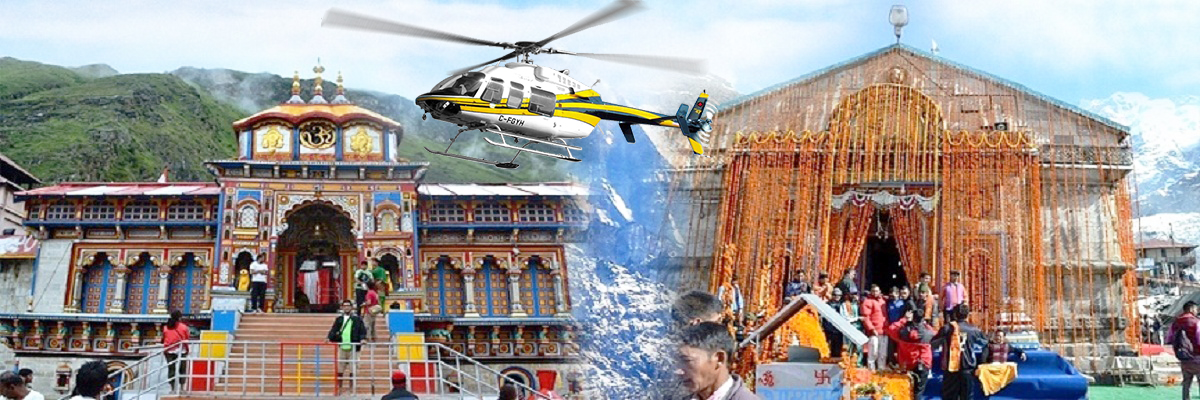
The helicopter takes away the long road days, not the altitude or the last climb. What older pilgrims and their families should plan for before booking.
Most families who ask about the Chardham Yatra by helicopter are asking for a parent or grandparent. The helicopter is the reason the yatra becomes possible for them at all: four dhams in about six days instead of ten to twelve on mountain roads. But it changes the journey, not the mountains, and a little planning makes the difference between a tiring trip and a good one.
What does the helicopter make easier for older pilgrims?
The road days. By road, the Chardham circuit means long drives on narrow hill roads, often eight or ten hours at a time, with landslide delays in between. By helicopter, each move between dhams takes well under an hour, and the Chardham Yatra by Helicopter package covers Yamunotri, Gangotri, Kedarnath and Badrinath from Dehradun in five nights and six days, with ground transfers and darshan arrangements at each stop.
It also removes the long trek to Kedarnath: the shuttle from the base helipad lands a few hundred metres from the temple, on the ticket booked on IRCTC in each pilgrim's name.
What does it not change?
Altitude. Kedarnath stands at about 3,580 metres and Badrinath at about 3,100. Flying in means arriving at that height quickly, without the gradual climb a road journey gives the body. Breathlessness, headache and tiredness are common on arrival; walking slowly, drinking water and resting help. Anyone with heart, lung or blood-pressure conditions should see their doctor before booking, and a fitness certificate for high altitude is strongly advised.
The Yamunotri climb. Helicopters land at Kharsali, and the temple is reached by a steep path of several kilometres. Most older pilgrims go by pony or palki, hired locally, and it is still the most demanding part of the circuit. Gangotri, by contrast, is reached by road after landing.
Weather. Mountain flying stops for cloud and rain, sometimes for hours. A delay means waiting, often at a helipad, so warm clothes, medicines and snacks should always be in the hand bag, not the main luggage.
Weight and baggage: the rules that surprise families
Helicopters at altitude fly to strict weight limits. Each passenger's accurate weight is asked for at booking, and passengers over 75 kg pay an excess weight charge per kilogram. Baggage is limited to about 3 kg per person on the Chardham and Do Dham packages, so a soft bag with essentials is the rule; the rest stays at the base hotel. The booking terms set out the figures for each package.
Is Do Dham a better choice for some?
Often, yes. The Do Dham Yatra by Helicopter covers Kedarnath and Badrinath in three nights and four days, without the Yamunotri climb. For a pilgrim who cannot manage a steep walk, or who tires easily, two dhams done calmly is a better yatra than four done in a rush. There is also a same-day Do Dham, though a full day of flying and darshan suits fitter travellers.
Which dham is hardest for an older pilgrim?
- Yamunotri is the hardest: a steep climb from Kharsali, usually by pony or palki.
- Kedarnath is the highest, at about 3,580 metres; the walk from the helipad is short, but the altitude is felt.
- Gangotri is reached by road from the Harsil helipad, with no climb.
- Badrinath is the gentlest, with the temple close to the town and a car from the helipad.
Knowing this helps a family plan where to slow down: most pilgrims find the day at Yamunotri and the first hours at Kedarnath the ones to take most gently.
What does a typical day look like?
Days start early, because mornings give the clearest flying. A pilgrim reports at the helipad for a briefing and weighing, flies for well under an hour, and is met by a car or local transport for darshan. After darshan comes rest at the hotel, so the afternoon is usually free. That rhythm, an active morning and a quiet afternoon, is what makes the helicopter yatra manageable for older pilgrims.
Common questions from families
Is there an age limit? The packages do not set an upper age, but the operator and the company may refuse a passenger who appears unfit to fly, so a doctor's fitness certificate is the best preparation.
Can a wheelchair user travel? Tell us when you enquire. Helipads and temples involve steps and uneven ground, and what is possible depends on the dham and the operator.
Can a companion stay with an older pilgrim throughout? Yes, booked as a passenger on the same flights; it is the arrangement we recommend.
Practical tips before you book
- Get a doctor's check and a fitness certificate for high altitude.
- Carry regular medicines for the whole trip in the hand bag, with a copy of prescriptions.
- Plan for one companion per two older pilgrims, to help at helipads and temples.
- Pack layers: mornings at Kedarnath and Badrinath are cold even in summer.
- Choose the gentler months; see the best time for Chardham Yatra by helicopter.
Tell us the ages and any health concerns when you send an enquiry, and we will suggest the package that fits, before anything is booked.