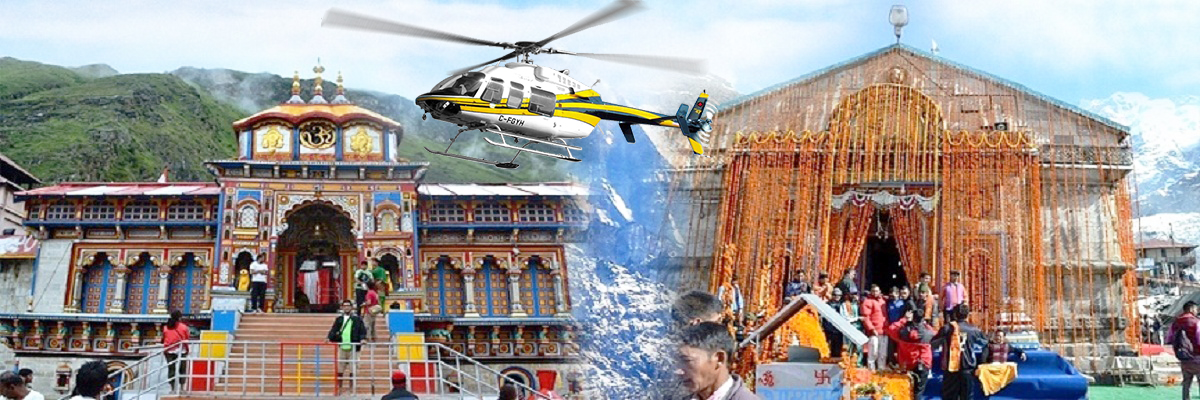
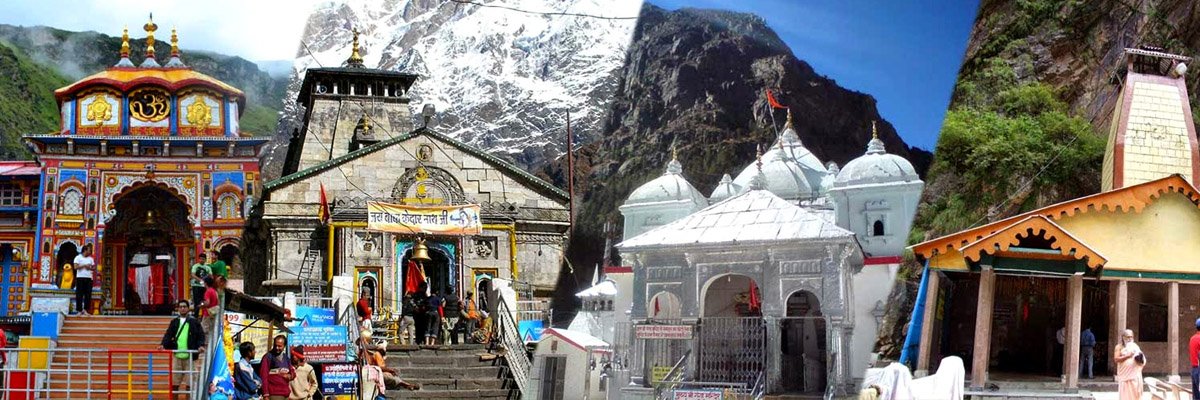
Chardham Yatra by Helicopter: how the booking actually works
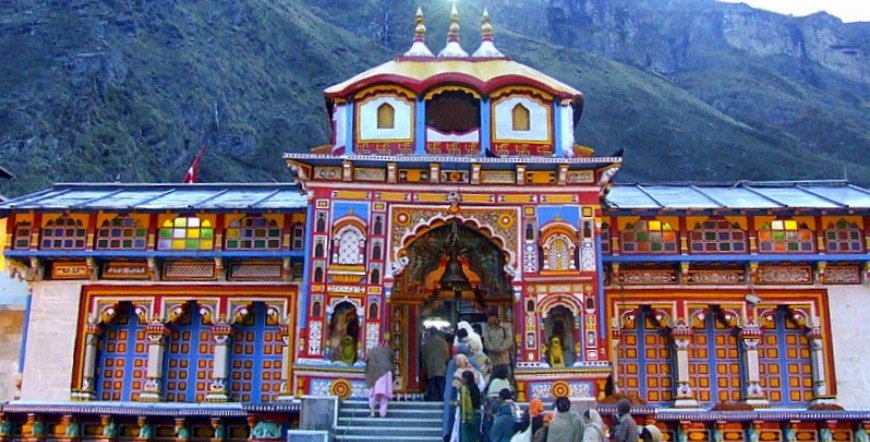
The four dhams in a handful of days instead of a fortnight on the road — here is how the package is assembled, and the questions worth asking before you book.
Notes on flying the pilgrimage sectors, from booking a helicopter ticket to what a Kedarnath or Badrinath yatra actually involves.
Notes on flying the pilgrimage sectors: how to book a helicopter ticket, what to expect on a Kedarnath yatra by helicopter, and how the Badrinath services run.
The four dhams in a handful of days instead of a fortnight on the road — here is how the package is assembled, and the questions worth asking before you book.
A Kedarnath helicopter ticket buys a short flight and a long day. Here is the shape of it, from which helipad you leave to why the return time keeps moving.
Two dhams or four? The decision is usually made by time and fitness rather than devotion — a straight comparison to help you pick.
Both sit above Govindghat, both open for a matter of weeks, and the helicopter only solves part of the journey. Timing is everything here.
Every yatra timing you are given is an intention. Understanding what actually moves it makes the difference between a frustrating trip and a good one.
Quotes for the same four dhams can differ widely. Almost all of it comes down to five things — here is what each one actually changes.
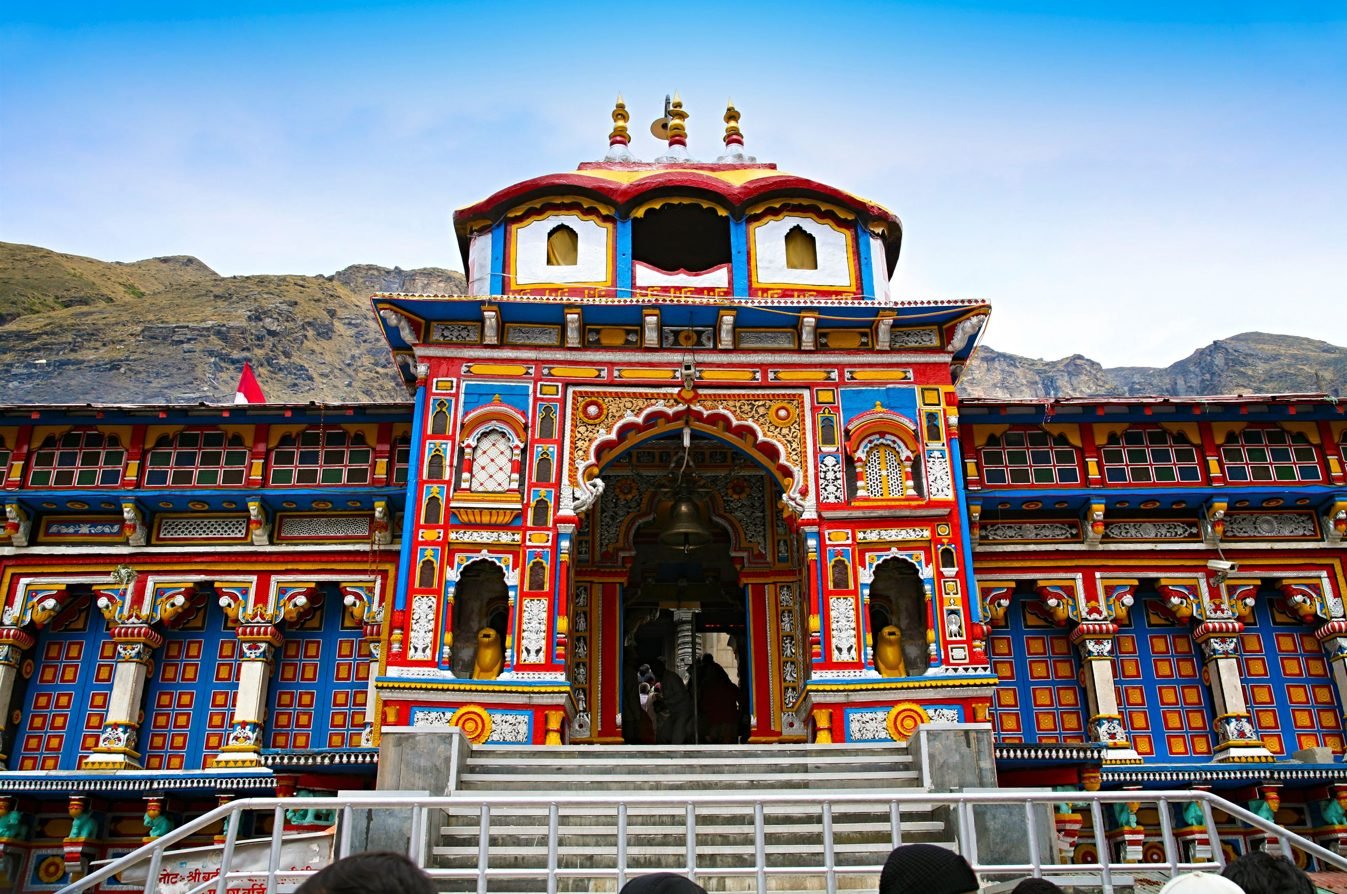
Of the four dhams, Badrinath asks the least of you on the ground — which makes it the one to choose when fitness is the constraint.
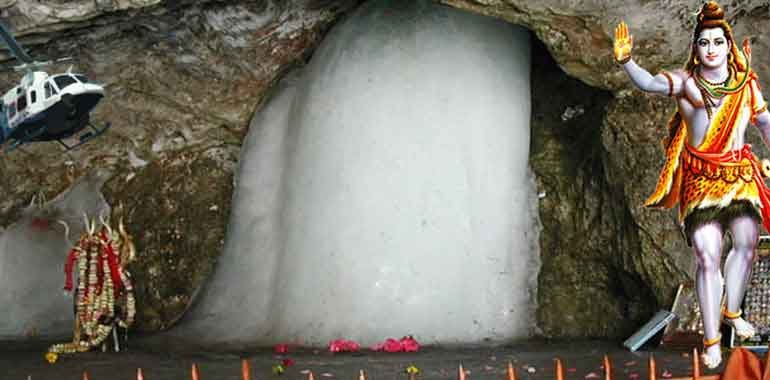
Two routes reach the cave, and they are not interchangeable. One is longer and gentler, the other short and steep.
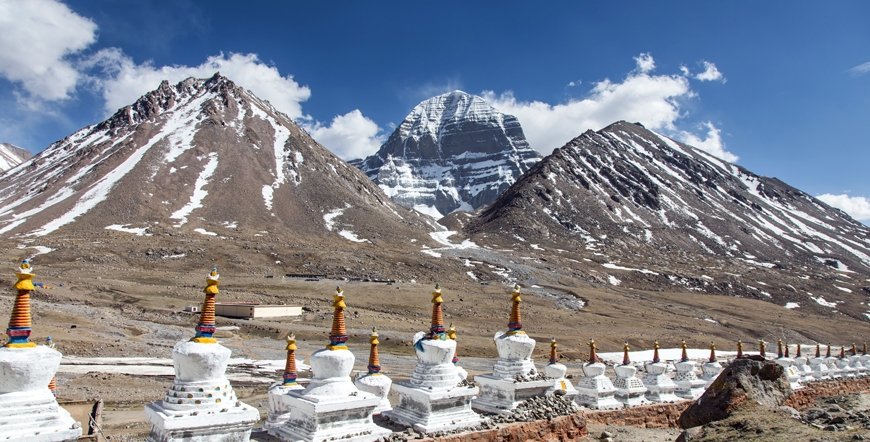
The helicopter shortens the hardest approach in Himalayan pilgrimage — but Kailash is in Tibet, and the permits matter as much as the flying.
The flying is the easy part. The landing site, the permissions and the timing are what decide whether it happens.
Share route, date and passengers, we reply with availability, pricing and next steps within 24 hours.