
Chardham Yatra by Helicopter: how the booking actually works
By Ashutosh
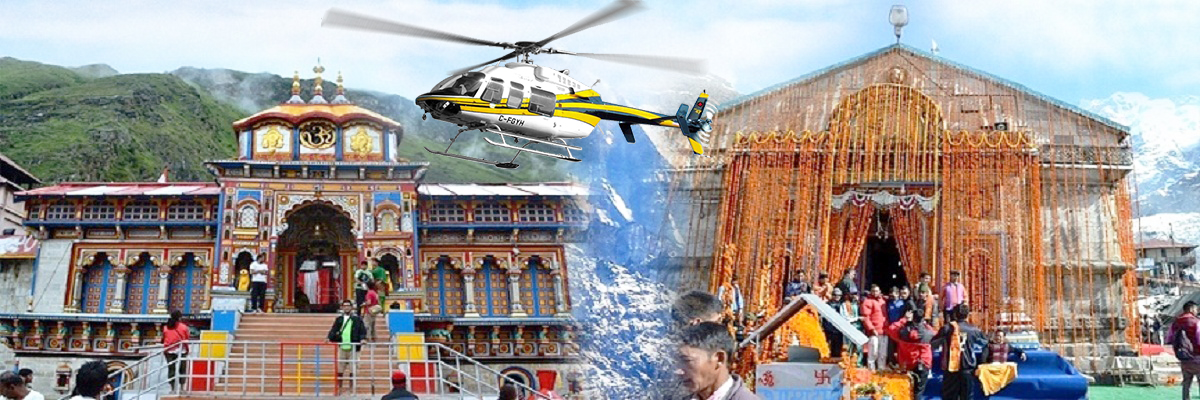
The four dhams in a handful of days instead of a fortnight on the road — here is how the package is assembled, and the questions worth asking before you book.
Done by road, the Char Dham circuit is a fortnight of driving. Flown, it becomes a handful of days. That compression is the entire proposition, and it is also the reason the booking works differently from any other holiday you have arranged.
The order is fixed, and it is not arbitrary
A Chardham yatra visits Yamunotri, Gangotri, Kedarnath and Badrinath, in that order. The sequence is traditional — west to east — and helicopter itineraries keep to it. You will not find a package that starts at Badrinath to suit your calendar.
Most rotations begin from Dehradun. The aircraft moves between valley helipads rather than landing at each temple door: at Yamunotri and Gangotri a short onward leg by pony, palki or on foot is normal, and at Kedarnath the helipad sits close enough to walk. Badrinath is the one dham where the temple is genuinely a short drive from the pad.
Fixed departure or private charter
Two things get called "booking a helicopter" and they are not the same.
- A fixed departure is a seat on a scheduled rotation that runs whether or not you are on it. You are sharing the aircraft. It is the cheaper way in, and the itinerary is the itinerary.
- A private charter is the whole aircraft, as on the Chardham Yatra by Helicopter package. You set the dates, and to a degree the pace. It costs what an aircraft costs.
Families of five or six often assume they need a charter and do not; groups of fifteen often assume a fixed departure will stretch and it will not. Say your group size early and let it decide the shape of the trip.
Registration is not optional
Uttarakhand requires every Char Dham pilgrim to be registered, and the requirement applies whether you arrive by helicopter or on foot. The mechanism has changed more than once in recent years, so treat any blog post — this one included — as a prompt to check rather than as the current rule. Registration and documents for helicopter pilgrims covers what to carry. What has not changed is that an unregistered pilgrim is a pilgrim who does not board.
Carry original photo ID for every passenger, including children. Names on the booking must match the ID exactly; operators check against the manifest at the helipad and a mismatched name is not something anyone can wave through.
Weight is a safety input, not a formality
Helicopters at Himalayan altitude fly to a load calculation, and passenger weight is part of it. You will be asked to declare weights honestly at the time of booking, and passengers are usually weighed at the helipad. Where a declared figure turns out to be well short, expect an excess charge or, in a full aircraft, a seat that has to move to another rotation. This is not an upsell; the weight limit and baggage rules explain the numbers. Thin air and a loaded machine is exactly the combination that leaves no margin.
What to settle before you pay
- Who is the operator. A marketplace sells the seat; a licensed aviation company flies it. Ask which company operates your sector.
- What the cancellation policy actually says — including who bears the cost when weather, not you, ends the trip.
- What happens to an incomplete yatra. If three dhams are flown and the fourth is weathered out, what is refunded and what is not?
- What is not in the price. Pony and palki at Yamunotri, VIP darshan arrangements where offered, and porterage are frequently separate.
A realistic expectation
The mountain decides. A Chardham helicopter itinerary is a plan, held to firmly in good weather and abandoned without apology in bad. Operators that promise certainty in the Garhwal Himalaya in season are promising something they do not control. Build a spare day into your travel at either end, and the yatra becomes far less stressful than the schedule on paper suggests.
If you want a specific rotation checked for your dates and group, send us the details and we will come back with what is actually available rather than what is advertised. For the other yatras and for charters, the three ways to make a helicopter booking with us, a seat, a package or the whole aircraft, are on our home page. To compare the package, the fixed departure and the shorter trips side by side, see all Chardham Yatra by helicopter options.
Common questions
In what order does a Chardham helicopter yatra visit the four dhams? Yamunotri, Gangotri, Kedarnath and Badrinath, west to east. Helicopter itineraries keep to this traditional order, and most start from Dehradun.
What is the difference between a fixed departure and a private charter? A fixed departure is a seat on a scheduled rotation shared with other pilgrims, the cheaper way in. A private charter is the whole aircraft: you set the dates and the pace, and it costs what an aircraft costs.
Do helicopter pilgrims need Chardham registration? Yes. Uttarakhand requires every Char Dham pilgrim to be registered, by helicopter or on foot, and an unregistered pilgrim does not board. Carry original photo ID for every passenger, matching the booking name exactly.
Why do I have to declare my weight? Helicopters at Himalayan altitude fly to a load calculation that includes passenger weight. Passengers are usually weighed at the helipad, and a figure well above the declared one means an excess charge or a move to another rotation.
What should I check before paying for a Chardham helicopter package? Which company operates the sector, what the cancellation policy says when weather ends the trip, what is refunded if a dham is missed, and what is not in the price, such as pony, palki and porterage.