
Do Dham or Chardham by helicopter: which one should you book?
By Ashutosh
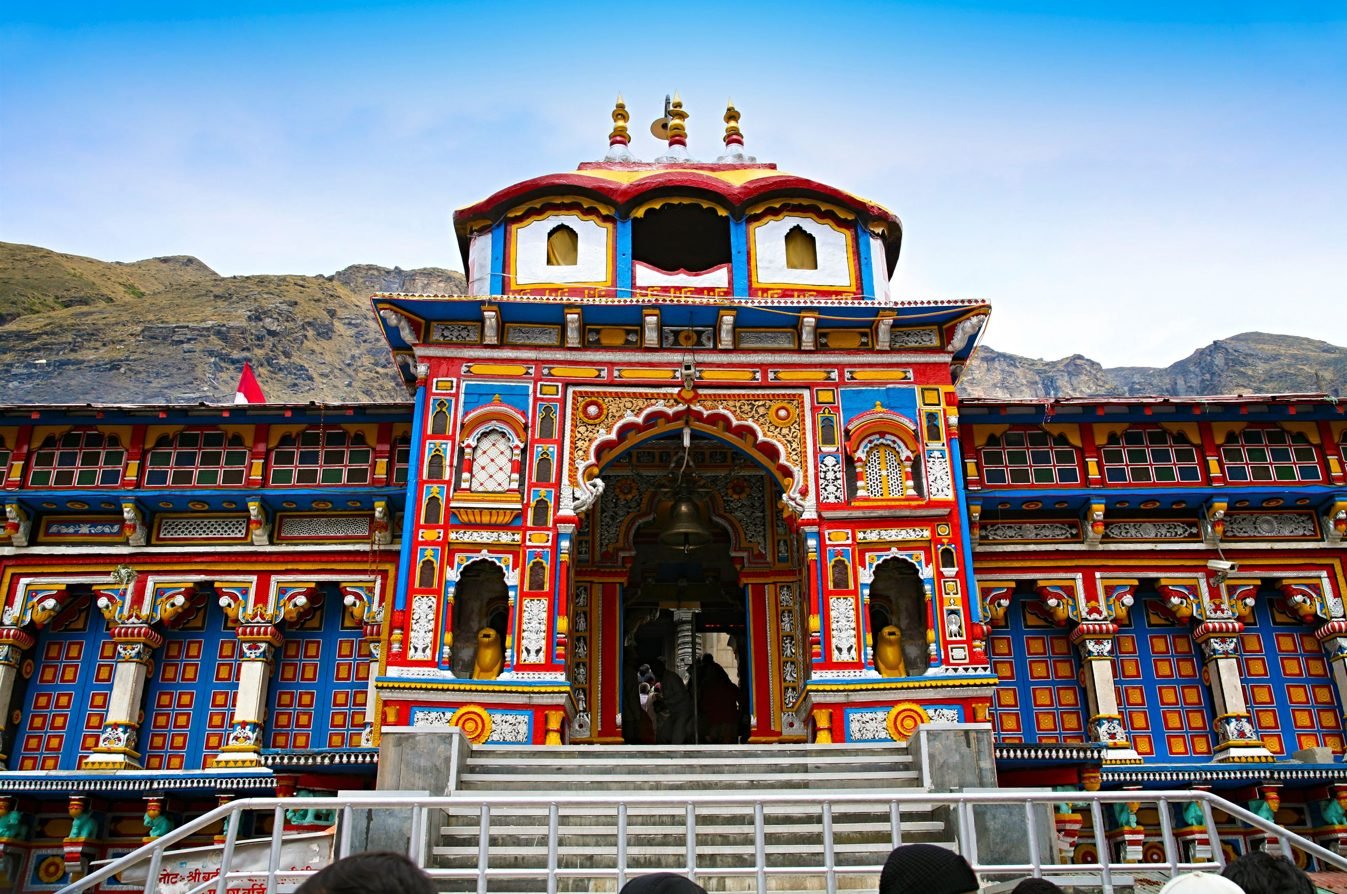
Two dhams or four? The decision is usually made by time and fitness rather than devotion — a straight comparison to help you pick.
Most people arrive certain they want all four dhams and leave having booked two. That is not a failure of devotion; it is usually the correct reading of how much time they actually have.
What each one covers
Do Dham is Kedarnath and Badrinath — the two eastern dhams, the two that most pilgrims name first, and the two that sit closest together. Chardham adds Yamunotri and Gangotri to the west, which is where the extra days go.
There is also a same-day Do Dham option, which flies both temples inside a single long rotation. It is the shortest way to stand in both places, and it is exactly as compressed as it sounds.
Time is the real decider
A Chardham helicopter itinerary is typically a five-night affair; Do Dham is commonly three nights, and the same-day version is one very long day. If you are travelling from outside India, or taking leave in single days rather than weeks, that difference decides the trip on its own.
Be honest about the days at either end too. Weather can take a day out of any Himalayan itinerary, and a Chardham plan with no slack is a plan that will hurt when it slips.
Ground effort is not equal
Flying does not make all four dhams equivalent underfoot.
- Badrinath is the gentlest — the temple is a short drive from the helipad.
- Kedarnath is a walk from the pad at roughly 3,583 metres. Short, but thin.
- Yamunotri involves an onward stretch by pony, palki or on foot from where the aircraft leaves you.
- Gangotri sits at altitude with a modest walk to the temple.
For an older parent or anyone with a cardiac or respiratory condition, Do Dham is often the humane choice; helicopter yatra for senior citizens goes into the detail. Two dhams done comfortably beats four endured.
Season changes the answer
All four temples open around late April or early May and close around October or November, with exact dates set each year by tradition rather than by calendar. The monsoon sits in the middle of that window, and July and August are the months most likely to cost you a sector. A four-dham itinerary has four chances to be interrupted; a two-dham itinerary has two.
Cost, plainly
Fewer sectors and fewer nights is less money — that much is obvious. What is less obvious is that the two extra dhams add proportionally more flying than they add temples, because Yamunotri and Gangotri are the long legs west. If budget is the binding constraint, Do Dham is not a watered-down Chardham; it is a different trip with a different shape.
A simple way to decide
If you have five clear days, reasonable fitness across the whole group and a spare day for weather, book Chardham. If any one of those three is missing, book Do Dham and do it properly. If you have exactly one day, the same-day Do Dham exists and is honest about what it is.
Send us your dates, ages and group size and we will tell you which of the two your group can actually complete.
Common questions
What is the difference between Do Dham and Chardham by helicopter? Do Dham covers Kedarnath and Badrinath, the two eastern dhams that sit closest together. Chardham adds Yamunotri and Gangotri to the west, which is where the extra days and flying go.
How many days do I need for each? A Chardham helicopter itinerary is typically five nights and Do Dham commonly three. A same-day Do Dham flies both temples in one long rotation. Keep a spare day for weather either way.
Which is better for elderly parents? Do Dham is often the kinder choice for older travellers or anyone with a heart or breathing condition. Badrinath is the gentlest dham, a short drive from the helipad, while Kedarnath is a short but high walk from the pad at about 3,583 metres.
Which months are riskiest for flights? July and August, the monsoon months in the middle of the season, are the most likely to cost you a sector. A four-dham plan has four chances to be interrupted; a two-dham plan has two.
Why does Chardham cost so much more than Do Dham? Yamunotri and Gangotri are the long legs west, so the two extra dhams add proportionally more flying than they add temples, plus the extra nights.
How do I decide which one to book? If you have five clear days, reasonable fitness across the whole group and a spare day for weather, book Chardham. If any of those is missing, book Do Dham. Send us your dates, ages and group size and we will suggest which your group can complete.