
Who actually operates your helicopter, and what a charter price is made of
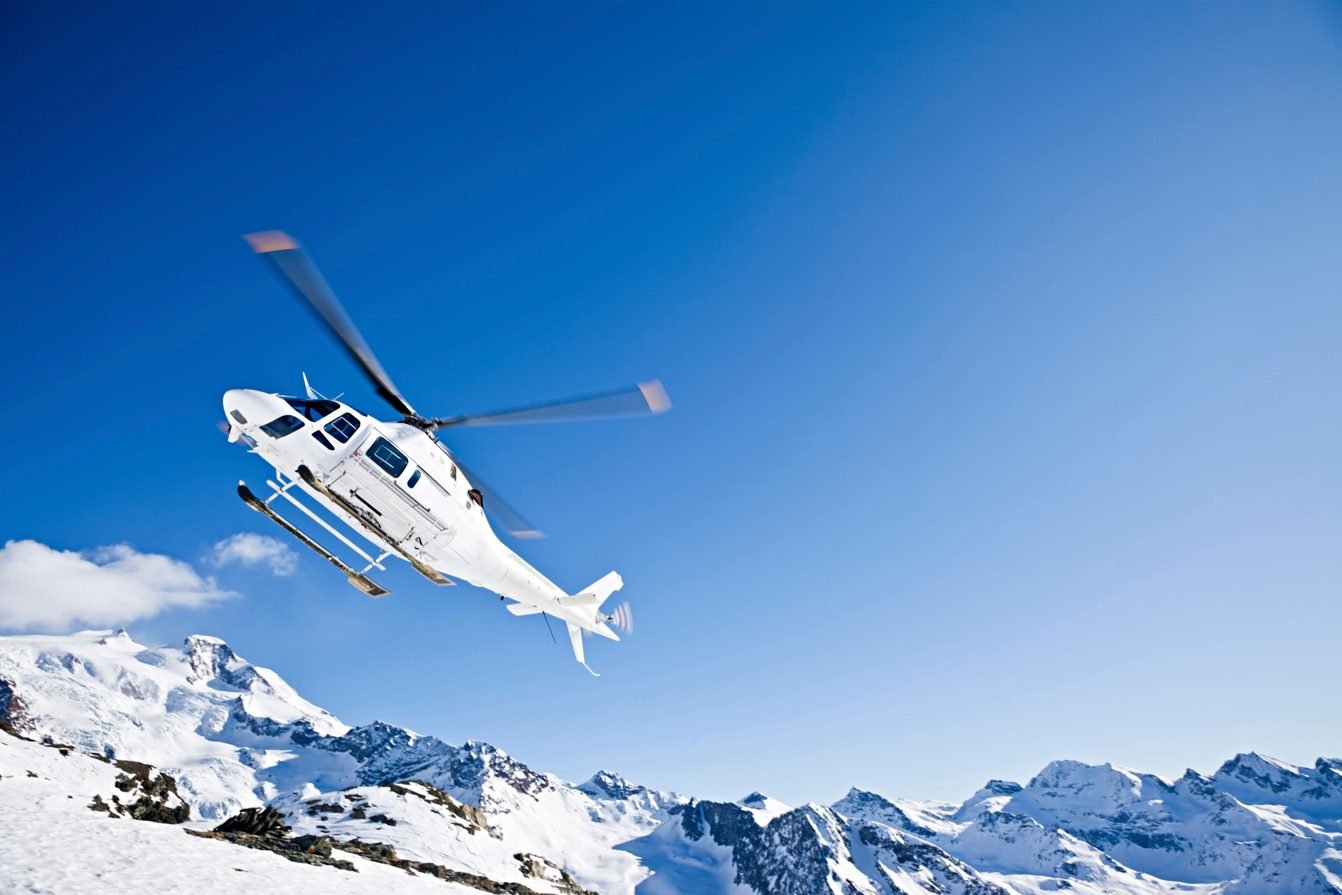
People search for an operator by name and then ask what a booking costs. Here is who flies the aircraft, and the parts a charter price is assembled from.
Two questions arrive together more than any others: who is actually flying the helicopter, and what does booking one cost. They have the same answer at the root, because the second is decided almost entirely by the first.
Who operates the aircraft?
A licensed aviation company does. BookHelicopter arranges the flying and holds the relationships; the machine, the crew, the permits and the insurance belong to a permit-holding operator, and every sector is flown under that operator's certificate. Ask which company is flying yours. It is a reasonable question, the answer is a matter of record, and anyone who will not answer it is not the person to book with.
We do not publish other companies' fares or profiles. Partly because the site speaks for itself, and mostly because a fare quoted for someone else's aircraft, on a route and date we have not checked, would be a guess presented as a price.
Why is there no price list for a charter?
Because a charter is priced per route and per date rather than per product. A scheduled yatra seat has a fare — it is a seat on a rotation that runs anyway. A charter buys the aircraft, its crew and their day, and what that costs depends on where the aircraft starts, where you want it, and how long it has to stay.
What is a charter quote built from?
- The hourly rate for the aircraft type. A twin-engine machine costs more per hour than a single, and carries more.
- Positioning legs. Helicopters are based somewhere. Flying an empty aircraft to you and home again is flying time, and it is in the quote whether or not it is itemised.
- A daily minimum. An aircraft committed to your day is not available for anyone else's, so most charters carry a minimum guaranteed number of hours per day.
- Night halt and crew. If the aircraft stays out overnight, the halt, the crew and their accommodation are chargeable.
- Ground charges. Landing, parking and terminal fees at airports; helipad charges where they apply; fuel and handling at remote fields.
- Permissions. A private or temporary landing site needs clearance and, usually, a site survey before anyone commits to a date.
- Taxes. GST applies, and season and availability move the whole number.
Is a seat cheaper than a charter?
Substantially, and they are not really comparable. On a fixed departure you buy a seat and accept the itinerary. On a charter you buy the aircraft and set the itinerary. Groups of four or five routinely price a charter expecting a small premium over five seats and find it is a different order of magnitude — which is exactly why group size belongs in the first sentence of an enquiry, not the last.
What should you ask before you pay anything?
- Which company operates the aircraft, and what type it is.
- What the hourly rate includes, and how many positioning hours are in the quote.
- What happens to the money when weather, not you, cancels the flight.
- What is excluded — ground charges and permissions are the usual omissions.
See what charters we arrange, or send the route, date and number of passengers and we will come back with a quote broken into the parts above rather than a single number.