
Kedarnath vs Badrinath by helicopter: which to choose, or both
One is high, cold and reached by shuttle; the other is gentler and flown to directly. How the two dhams compare by helicopter, and how to visit both.
Kedarnath and Badrinath are the two most visited of the four dhams, and the two most often flown to. They are close on the map, about half an hour apart by helicopter, but very different to reach and to visit. Here is how they compare, and how to decide between them or do both.
What is the difference between Kedarnath and Badrinath?
Kedarnath is a temple of Lord Shiva and one of the twelve Jyotirlingas. It stands at about 3,580 metres at the head of the Mandakini valley, with no road to it: by land, the last stretch is a trek of around sixteen kilometres.
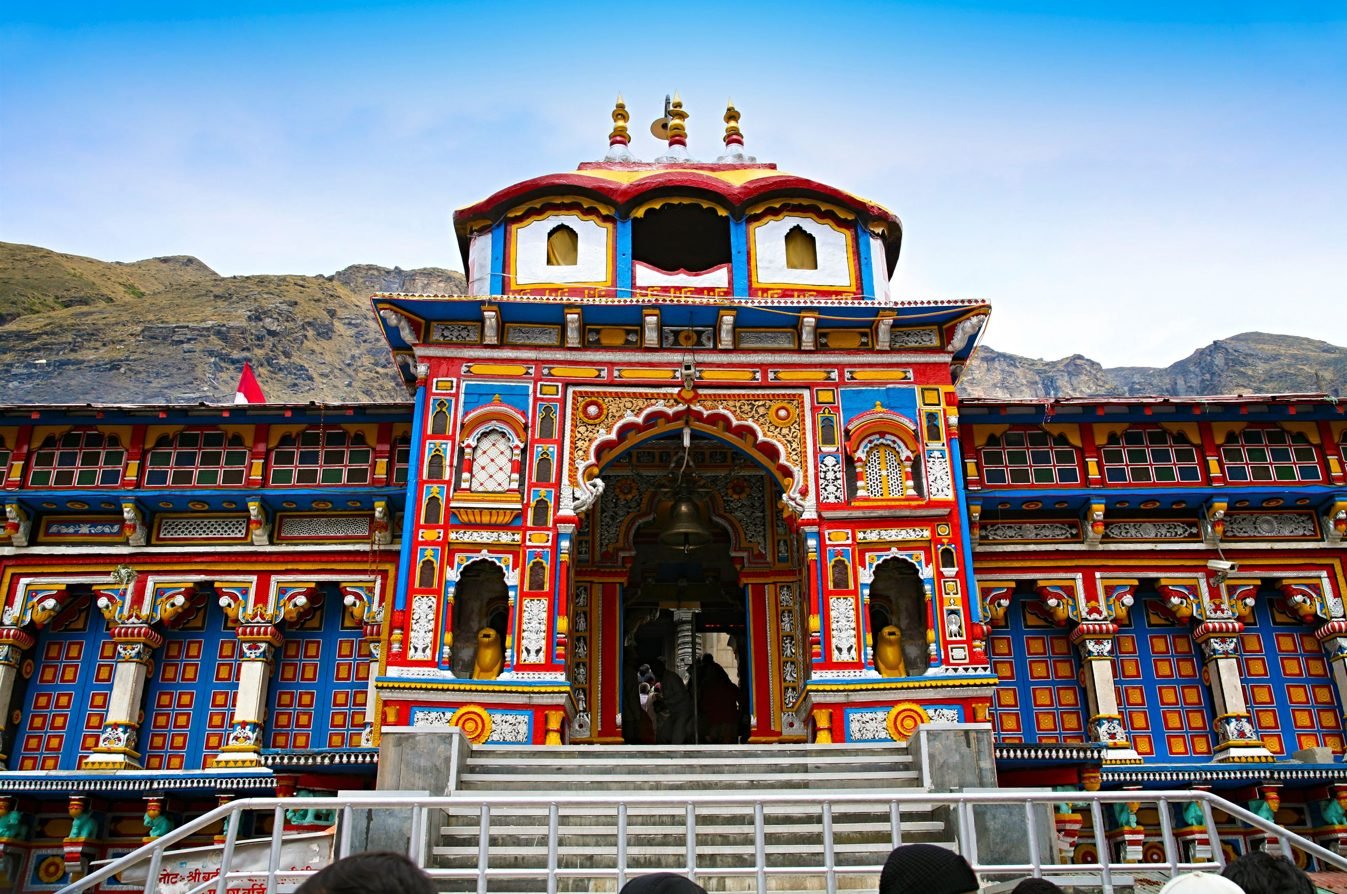
Badrinath is a temple of Lord Vishnu, on the banks of the Alaknanda at about 3,100 metres. It sits in a small town on a road, and Mana, the last village before the Tibet border, is a short drive away.
How is each one reached by helicopter?
Kedarnath is reached by the shuttle. Pilgrims fly from Dehradun to a base helipad such as Phata, then take the shuttle up to Kedarnath, which lands a few hundred metres from the temple. The shuttle ticket is booked on IRCTC in each pilgrim's name; the Kedarnath same-day helicopter yatra from Dehradun arranges the rest of the day around it.
Badrinath is flown to directly from Dehradun in about an hour, with a car from the helipad to the temple. A seat on the Badrinath helicopter fixed departure is INR 39,000 per person; a private Badrinath helicopter charter for up to six is INR 3,75,000 per helicopter.
Which one is harder?
Kedarnath, clearly. It is higher, colder and more exposed to weather, and the change to the shuttle adds waiting at the base helipad on busy days. The walk from the Kedarnath helipad to the temple is short but steep enough to feel at that altitude. Badrinath is the gentlest of the four dhams: lower, close to its helipad, with the temple a short drive away. For older pilgrims or anyone unsure of their fitness, Badrinath is the easier day.
Kedarnath and Badrinath compared
| Kedarnath | Badrinath | |
|---|---|---|
| Deity | Lord Shiva, a Jyotirlinga | Lord Vishnu |
| Altitude | About 3,580 m | About 3,100 m |
| By helicopter | Dehradun to a base helipad, then the IRCTC shuttle | Direct from Dehradun, then a car |
| Difficulty | Higher, colder, weather-dependent | The gentlest of the four dhams |
| Packages | Kedarnath same-day yatra; stay packages around the shuttle | Fixed-departure seat; private charter |
Can you visit both in one trip?
Yes, and that is what most pilgrims do. A Do Dham yatra flies Kedarnath and Badrinath together, usually Kedarnath first in the morning and Badrinath after:
- The Do Dham Yatra by Helicopter, three nights and four days, from INR 1,52,000 per person, at an unhurried pace with nights at the dhams.
- The same-day Do Dham Yatra by Helicopter, INR 1,37,000 per person, both dhams and back in one flying day.
- The Kedarnath Badrinath Do Dham with a night at Badrinath, a private helicopter for four, with the evening aarti and an early flight home.
Which should you choose?
If you can visit only one and fitness or age is a concern, Badrinath is the easier and more certain day. If Kedarnath is the reason for the journey, plan for the altitude and the weather, and leave a spare day. If you can manage both, a Do Dham is the natural choice: the extra flight between them is short, and most of the cost of reaching the high Himalaya is already paid.
Not sure which suits your group? Send us the dates and ages, and we will suggest the right package before anything is booked. See also Do Dham or Chardham by helicopter.